
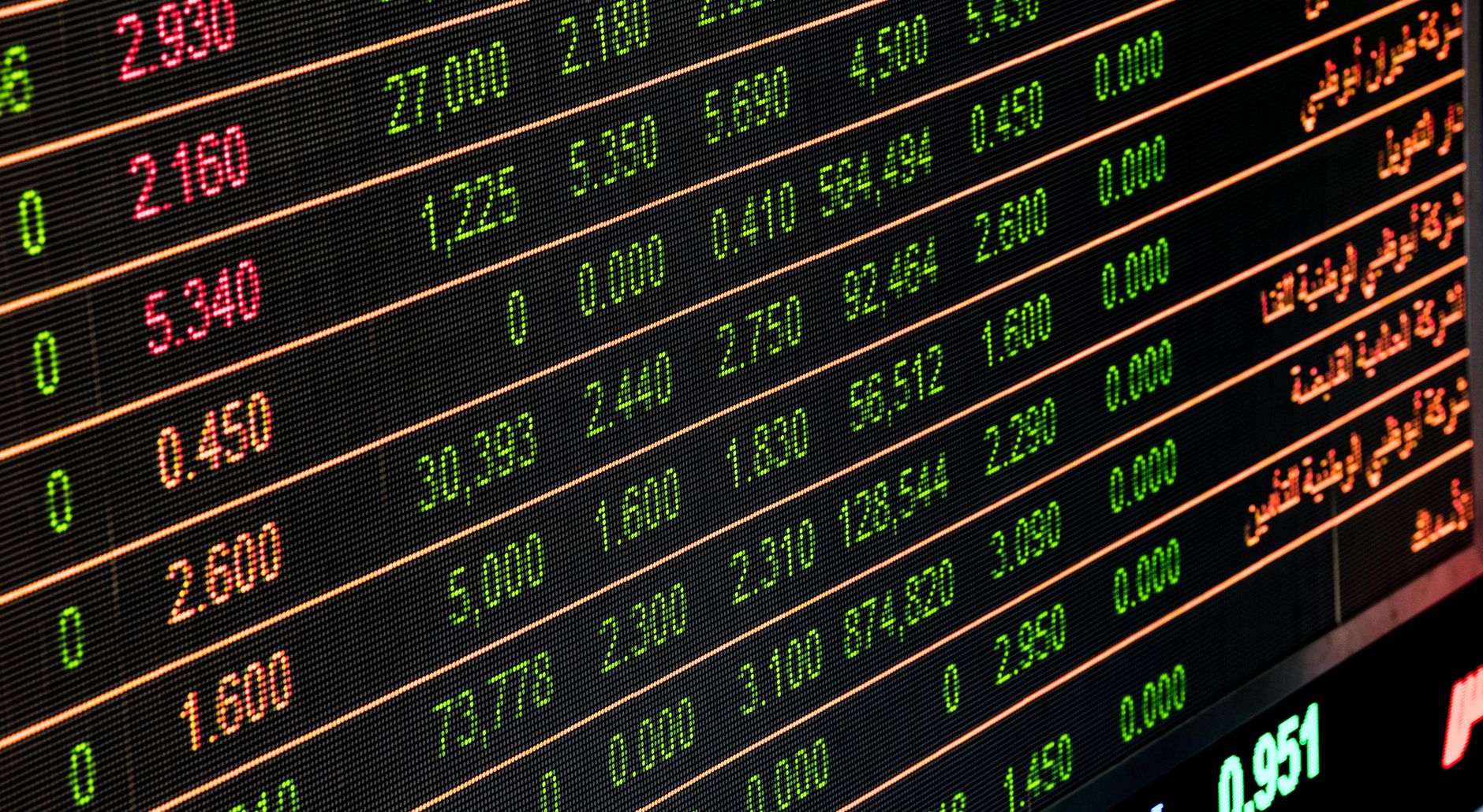
Asian stocks bounce as investors react to easing tensions in the Mideast. This shift in market sentiment may present new investment opportunities for those looking to capitalize on the current trends.
Understanding the Recent Market Movements
Asian stocks bounce back as investors react positively to easing concerns over geopolitical tensions in the Middle East and a stabilizing outlook for artificial intelligence (AI) stocks. Recent fluctuations in global markets have left many analysts pondering the implications for investment strategies moving forward.
The rebound in Asian equity markets can be attributed to several key factors:
- Reduced Geopolitical Risks: As fears surrounding Middle East conflicts diminish, market sentiment has improved, prompting a surge in buying.
- AI Sector Resilience: Technology stocks, particularly those linked to AI, have shown strong performance, bolstering investor confidence.
- Global Economic Data: Positive economic indicators have emerged, supporting the case for sustained growth in the region.
Investors are now evaluating whether this bounce in Asian stocks marks a significant turning point or if caution should still prevail. With the U.S. Federal Reserve’s stance on interest rates remaining firm, market participants are keenly watching for any signs that could influence their investment decisions. Many are contemplating if now is indeed the best time to invest in a recovering market.
What Factors Influenced Asian Stocks?
Recent fluctuations in the global markets have sparked interest among investors, particularly as Asian stocks bounce back from earlier declines. Several factors have played a pivotal role in this recovery.
- AI Advancements: The ongoing innovations in artificial intelligence have fueled optimism among investors. Companies in the tech sector are witnessing significant gains, which has had a positive ripple effect across various Asian markets.
- Mideast Stability: Easing tensions in the Middle East have contributed to a sense of stability, encouraging investors to re-enter the market. This reduction in geopolitical risk has bolstered confidence in economic growth.
- Fed Policy: The U.S. Federal Reserve’s stance on interest rates has also influenced the Asian markets. With expectations of maintaining rates, investors are more likely to engage in riskier investments, benefiting Asian equities.
- Currency Strength: The strength of the dollar has been a double-edged sword. While it can pressure exports, a firm dollar also signals confidence in the U.S. economy, which can indirectly uplift Asian markets.
These elements combined have created a favorable environment for potential investment in Asian stocks as they continue to show resilience in the face of global uncertainties.
The Role of AI in Market Recovery
The recent bounce in Asian stocks has been significantly influenced by advancements in artificial intelligence (AI). As companies integrate AI technologies into their operations, they are realizing improved efficiencies and greater profitability, which has instilled investor confidence. This newfound optimism contributes to the overall recovery of the market.
Market analysts suggest that the role of AI in driving innovation cannot be understated. With businesses harnessing AI for various applications, from data analysis to automation, the potential for growth is substantial. This trend has led investors to reevaluate their portfolios, leading to the current positive sentiment in the stock market.
Moreover, the reduction of geopolitical tensions in the Mideast has further bolstered this upward trend. Investors are increasingly looking for opportunities, prompting a surge in stock purchases. The combination of AI-driven growth and easing global uncertainties has created a favorable environment for investment.
In summary, as Asian stocks bounce back, the integration of AI technologies plays a crucial role in this recovery. With many experts believing that the market is on an upswing, now might be an opportune time for investors to consider their strategies.
Investor Sentiment and Market Reactions
Investor sentiment has shifted positively as Asian stocks bounce back in response to improving market conditions. Following a period of uncertainty, investors are showing renewed confidence, largely attributed to diminishing fears around geopolitical tensions in the Middle East and the stabilizing influence of artificial intelligence in various sectors.
The recent uptick in stock prices reflects a broader optimism among market participants. Analysts note that this rebound could be a signal for investors to consider entering the market. Key factors contributing to the positive sentiment include:
- Resilience of Major Economies: Economic indicators from leading Asian markets suggest recovery is on the horizon.
- AI Integration: Companies leveraging AI technologies are seeing significant gains, which bodes well for long-term growth.
- Central Bank Policies: The firm stance of the Federal Reserve has instilled confidence in currency stability, aiding market recovery.
While there are still risks to consider, including potential fluctuations in global markets, the current environment presents a compelling case for investors. As sentiment improves, many are weighing their options, contemplating whether now is the best time to invest in the recovering Asian markets.
Analyzing the Dollar’s Strength
The recent bounce in Asian stocks has been accompanied by a notably strong performance of the U.S. dollar, which has raised questions about the underlying market dynamics. Analysts are examining how the dollar’s strength influences investor behavior and overall market stability.
The dollar has benefitted from a series of factors, including:
- Federal Reserve Policies: Expectations surrounding the Fed’s interest rate decisions have bolstered the dollar, as investors anticipate a continued commitment to tightening monetary policy.
- Global Economic Uncertainties: With geopolitical tensions and economic concerns in various regions, investors often seek the safety of the dollar, thus enhancing its value.
- Market Responses to Economic Data: Recent economic indicators have shown resilience in the U.S. economy, further attracting investment in dollar-denominated assets.
As Asian stocks bounce, the interplay between the dollar and regional markets becomes increasingly critical. A strong dollar can impact export competitiveness for Asian economies, which may influence investment strategies moving forward. Investors are now weighing the potential risks and rewards in light of these currency dynamics, as they consider whether this is the best time to invest in Asian equities.
Future Predictions for Asian Markets
As Asian stocks bounce back from recent lows, analysts are turning their attention to future predictions for the region’s markets. Several key indicators suggest a potential upward trajectory, but investors are advised to remain cautious amid ongoing global uncertainties.
One of the main factors that could influence future market movements is the stability of geopolitical tensions. If the situation in the Middle East continues to stabilize, it may encourage further investments in Asian markets. Additionally, the ongoing advancements in artificial intelligence are expected to play a pivotal role in driving economic growth across various sectors.
Economic data releases in the coming weeks will also be critical. Analysts are watching for signs of consumer confidence and manufacturing activity, which can provide insights into the overall health of the economy. Furthermore, central banks’ monetary policies will remain a focal point, particularly as markets react to interest rate adjustments.
Investors should also pay attention to the performance of the US dollar, as its strength can significantly impact Asian stocks. Overall, while the recent bounce offers a glimmer of hope, a careful evaluation of these factors will be crucial for anyone considering investments in Asian markets.
Tips for Investing in a Volatile Market
As Asian stocks bounce back in a fluctuating market, investors should consider several strategies to navigate these uncertain times effectively. Here are some essential tips for investing in a volatile market:
- Maintain a Diversified Portfolio: Diversification can help mitigate risks. By spreading investments across different sectors and asset classes, you can protect your portfolio from sudden market fluctuations.
- Stay Informed: Keep up with global economic news and trends. Understanding the factors that influence market behavior, such as geopolitical events and economic indicators, can help you make informed decisions.
- Invest for the Long Term: Volatility can create buying opportunities. Focusing on long-term growth rather than short-term gains can help you ride out market ups and downs.
- Set Clear Investment Goals: Establishing specific, measurable, achievable, relevant, and time-bound (SMART) goals can guide your investment decisions and help you remain focused during turbulent times.
- Consider Professional Advice: Consulting with a financial advisor can provide personalized insights and strategies tailored to your risk tolerance and investment horizon.
Implementing these strategies can position you to take advantage of opportunities as Asian stocks bounce and potentially capitalize on future market recoveries.
The recent trend of Asian stocks bounce has prompted many investors to reconsider their strategies. With market analysts predicting potential growth, this might indeed be the best time to invest as Asian stocks bounce back from previous lows.
Photo by Pixabay on Pexels
Read the original
You might also like
- Coinbase prediction markets case: Worst setback in legal battle
- Lewis Hamilton Charles Leclerc: Tension Sparks Proven Rivalry
- Ball-tampering scandal: What is the real story behind it?