
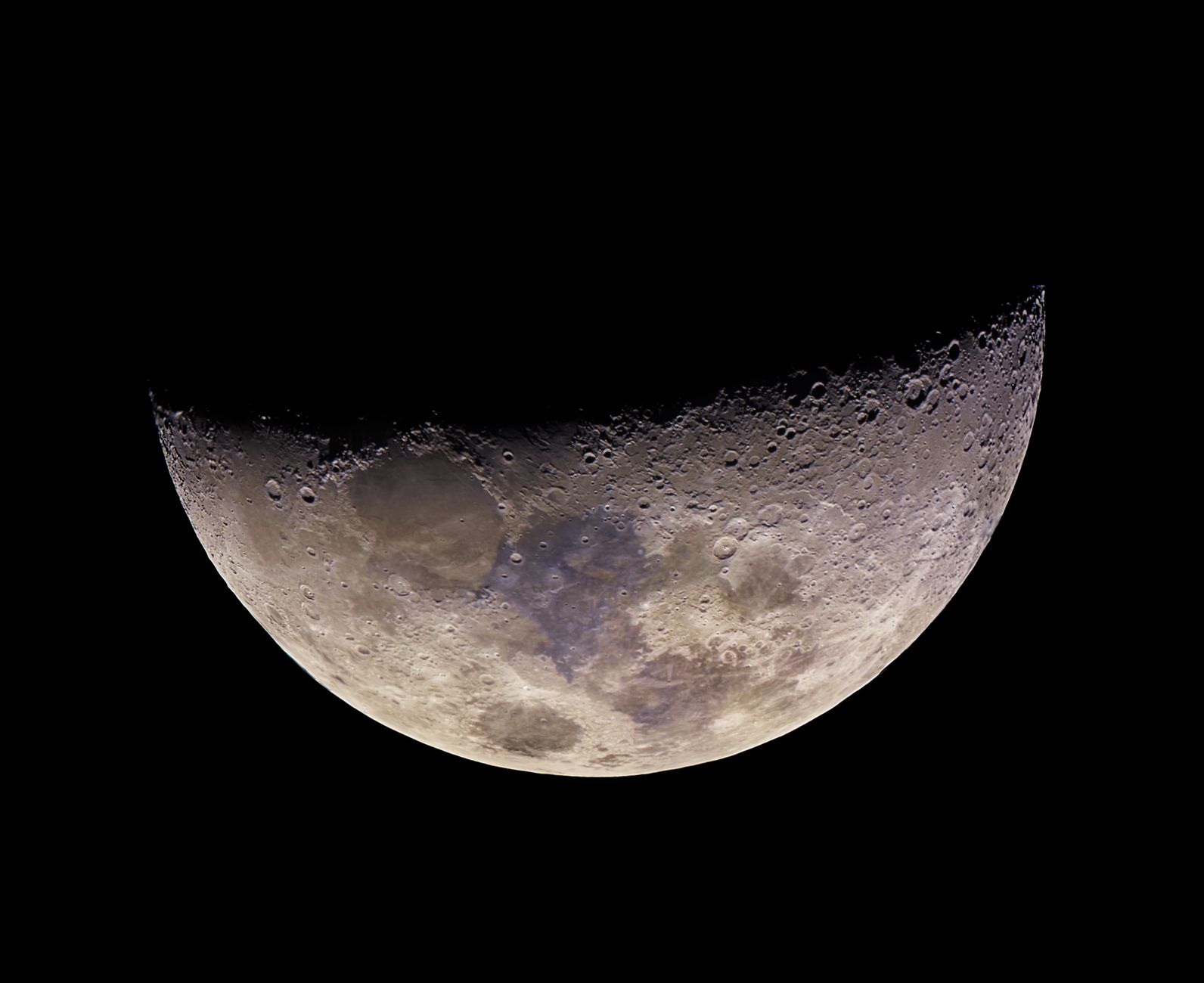
The moon formation theory suggests that the Earth’s moon could have formed in just 5 hours after a giant impact. This groundbreaking research changes our perspective on lunar history and the dynamics of celestial collisions.
What is the moon formation theory?
The moon formation theory seeks to explain how Earth’s moon came into existence. The prevailing hypothesis suggests that the moon was formed as a result of a colossal impact between the early Earth and a Mars-sized body, often referred to as Theia. This event is believed to have occurred around 4.5 billion years ago.
According to recent research, this giant impact could have led to the moon’s formation in a remarkably short time span. Evidence indicates that the moon may have coalesced from debris generated by the collision within just five hours. This rapid formation challenges previous assumptions about the time scales involved in planetary formation.
Key points surrounding the moon formation theory include:
- The impact hypothesis remains the most widely accepted explanation.
- Studies suggest that the moon’s composition is similar to Earth’s outer layers.
- The timing of the moon’s formation has implications for understanding the early solar system.
Overall, the moon formation theory continues to evolve as new discoveries shed light on this cosmic event.
The significance of the giant impact
The giant impact hypothesis is a pivotal element in our understanding of the moon formation theory. This theory suggests that the Moon was created shortly after a massive collision between the early Earth and a Mars-sized body, often referred to as Theia. The significance of this event lies in its ability to explain several key characteristics of the Moon and Earth.
Firstly, the isotopic similarities between Earth and Moon rocks point to a shared origin, supporting the idea that they formed from the same material. Additionally, the energy released during this colossal impact could have led to the rapid formation of the Moon, with recent studies suggesting it could have occurred in as little as five hours.
Furthermore, the giant impact may also account for the Moon’s unusual tilt and orbital dynamics. By analyzing the aftermath of this event, scientists can better understand the geological history of both Earth and its satellite.
In summary, the giant impact hypothesis is crucial in unraveling the complexities of the moon formation theory.
How quickly did the moon form?
Recent studies suggest that the moon formation theory might be more rapid than previously thought. According to new evidence, the moon could have formed in as little as five hours following the giant impact that created it. This groundbreaking finding challenges earlier models that proposed a much longer timeframe for the moon’s development.
The research indicates that the debris from the collision between the early Earth and a Mars-sized body coalesced quickly under the influence of gravity. This rapid formation process is pivotal in understanding the early conditions on Earth and the subsequent evolution of the moon.
Key factors contributing to this swift formation include:
- The high temperatures resulting from the impact, which allowed materials to vaporize and then condense rapidly.
- The gravitational forces that pulled together the debris into a single mass.
- Computer simulations that demonstrate how quickly the moon could have formed from the resultant disk of material.
These findings lend strong support to the moon formation theory and open new avenues for research on planetary development.
Implications for lunar studies
The recent findings regarding the moon formation theory have significant implications for our understanding of lunar studies. Researchers suggest that the moon may have formed rapidly, potentially within just five hours after a colossal impact with Earth. This challenges previous models that proposed a much longer time frame for lunar development.
One of the key implications of this theory is the need to reassess existing models of planetary formation. The rapid formation of the moon indicates that the processes involved in creating celestial bodies can occur more swiftly than previously believed. This could affect how scientists view the accretion of material in the early solar system.
Additionally, if the moon formed so quickly, it raises questions about the conditions that existed immediately after the impact. These findings encourage further research into the thermal and chemical states of the debris that became the moon. Understanding these conditions is crucial for comprehending the evolution of our natural satellite and its impact on Earth.
Recent research findings
Recent studies have provided intriguing insights into the moon formation theory, particularly regarding the timeline of the moon’s creation. A groundbreaking analysis suggests that Earth’s moon could have formed in a remarkably short period—potentially within just 5 hours following a colossal impact with a Mars-sized body.
This finding challenges previous models that proposed a much longer timeframe for the moon’s formation. Researchers utilized advanced simulations and data from lunar samples to refine their understanding of the processes involved. The rapid formation implies a highly dynamic environment immediately after the impact, which may have facilitated the quick accumulation of debris into a stable lunar body.
Scientists are now focusing on several key aspects:
- Impact dynamics: Understanding the forces at play during the collision.
- Material composition: Analyzing the chemical makeup of the moon.
- Thermal evolution: Investigating how heat from the impact influenced moon development.
These findings not only bolster the giant impact hypothesis but also pave the way for further research into the moon formation theory.
Future of moon exploration
The future of lunar exploration is set to unveil more about the moon formation theory and its implications for our understanding of planetary science. With advancements in technology and the increasing interest from both governmental and private space agencies, missions to the Moon are becoming more frequent and ambitious.
NASA’s Artemis program, for instance, aims to return humans to the lunar surface and establish a sustainable presence by the end of the decade. This initiative will not only facilitate human exploration but also provide opportunities for robotic missions to collect samples that can offer further insights into the giant impact scenario that led to the Moon’s formation.
In addition, the upcoming Lunar Gateway will serve as a platform for scientific research and international collaboration, enabling deeper studies into the Moon’s geology and history. As we prepare for these missions, the ongoing analysis of lunar samples returned by past missions continues to enrich our understanding of the Moon’s origin, shedding light on the validity of the moon formation theory and its broader implications for planetary bodies in our solar system.
Photo by Erhan Dayı on Pexels
Sources
- Mbappé Best in the World: Proven Skills and Goals
- Enjoy Every Game with Ufabet – Real Wins, Safe Play, All-in-One
- Fun88 Online Casino: A Premier Destination for Online Gaming